


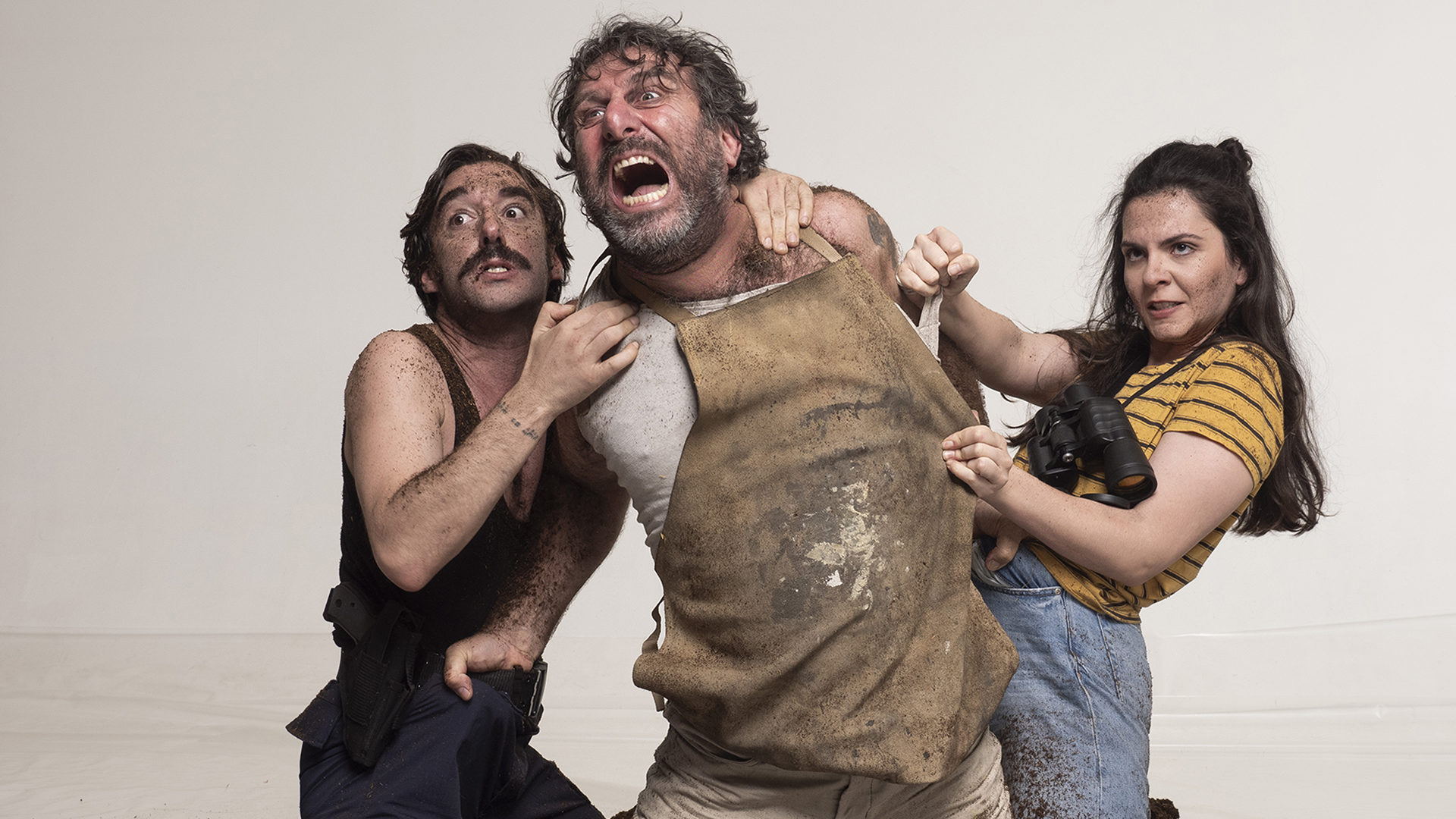
at the Artbox Fargani Theater, Thessaloniki
COMPLETED
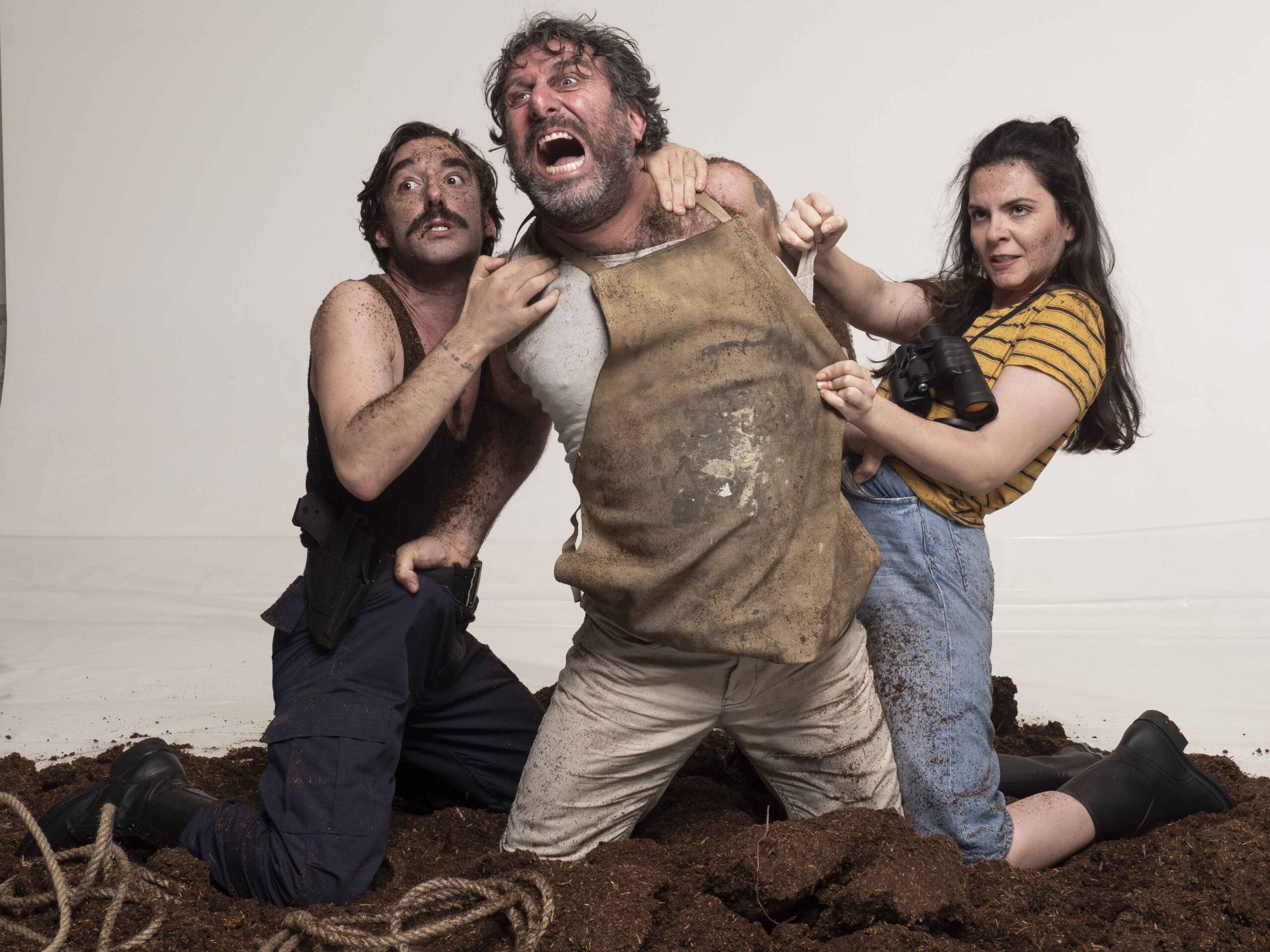
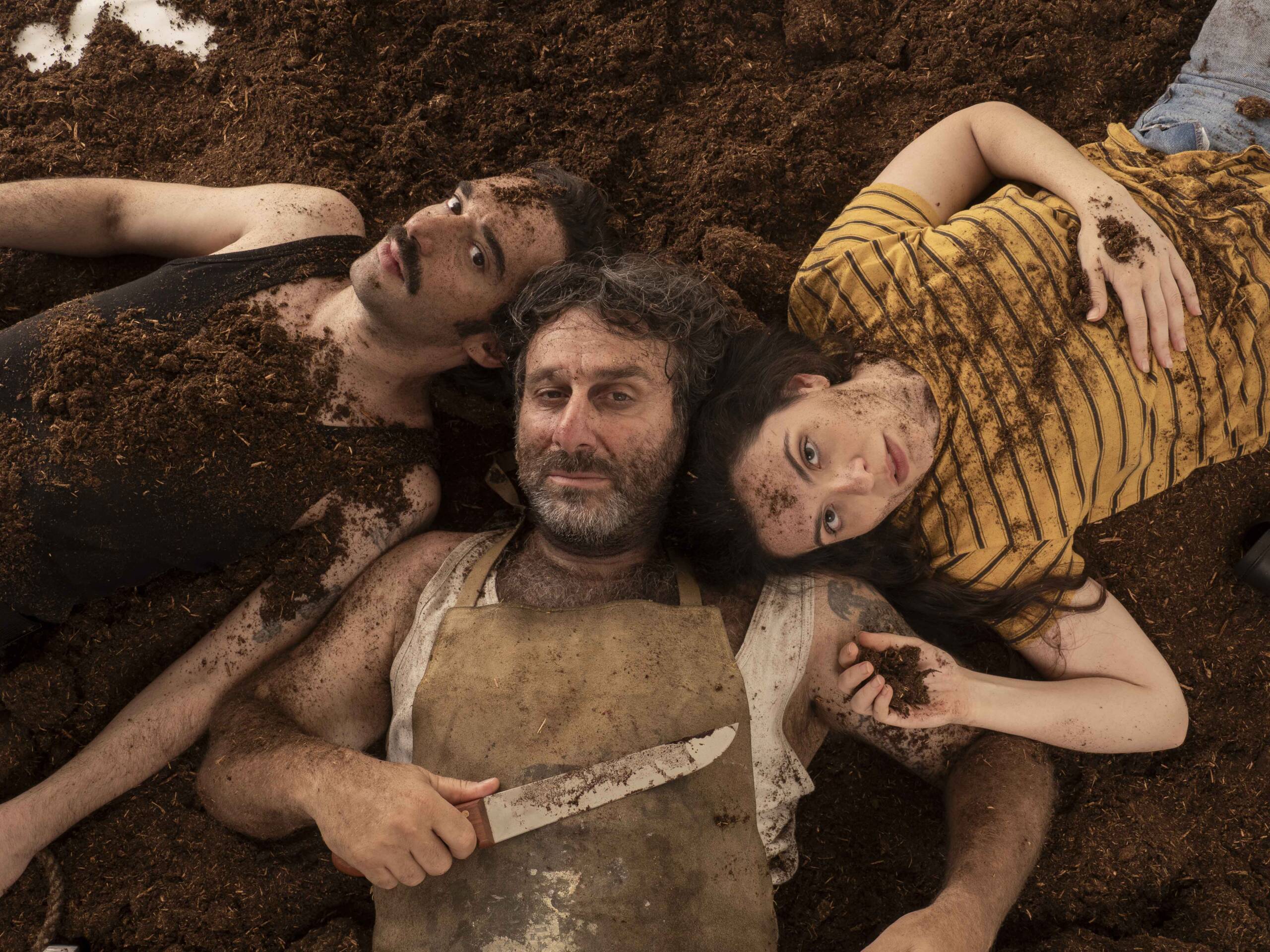
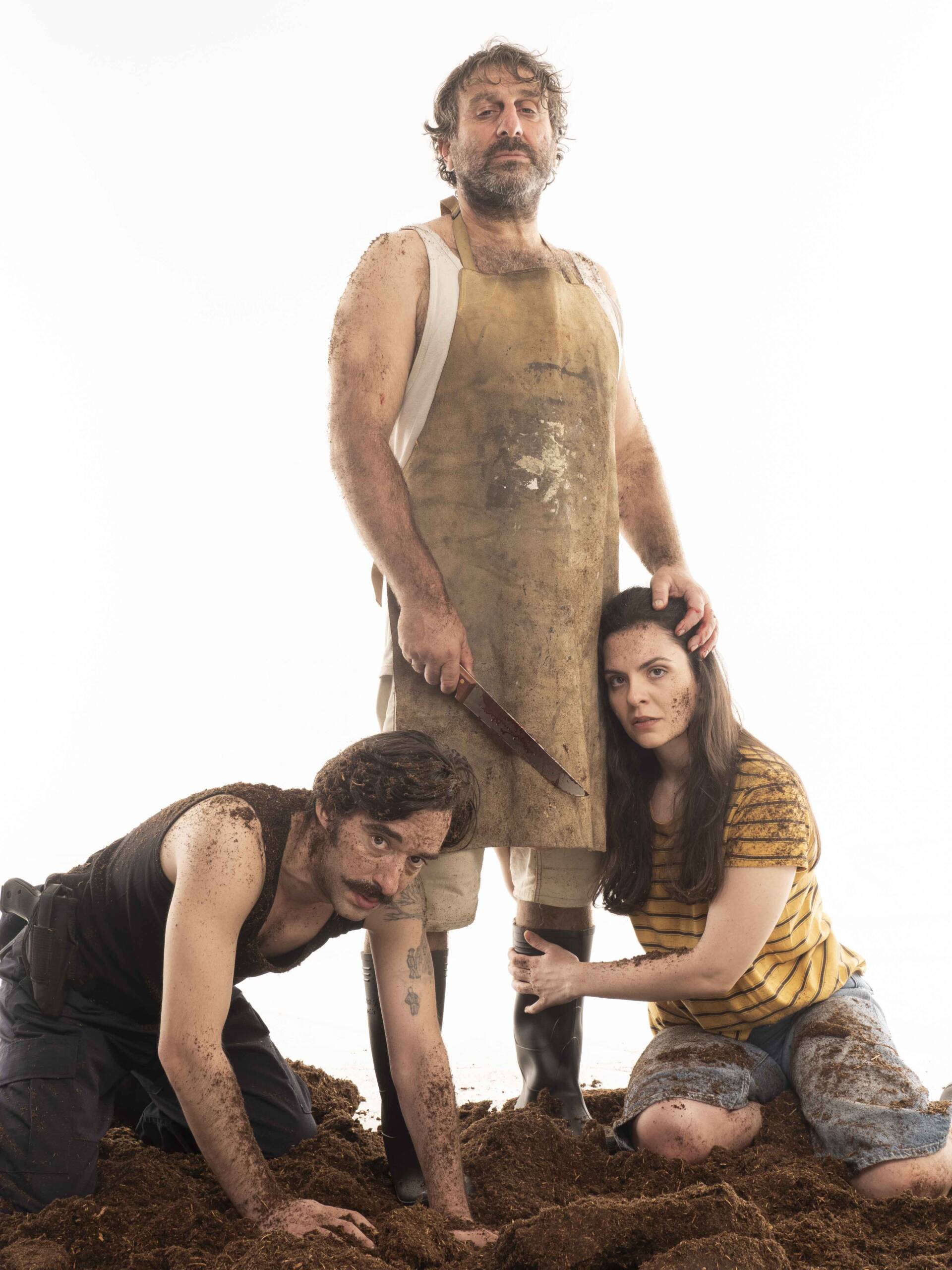
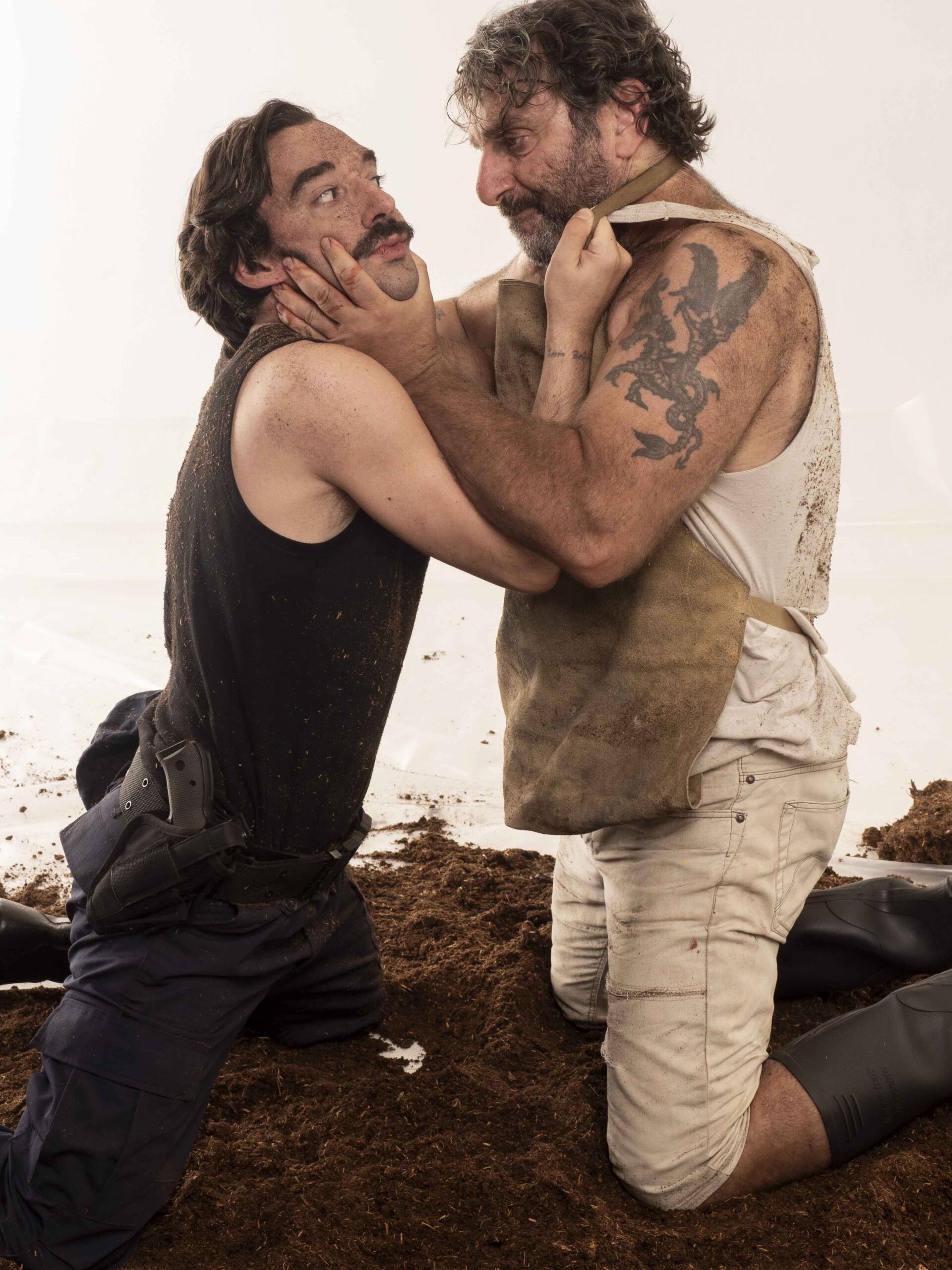
Yannis Tsirou’s *The Wild Seed*, one of the most significant and provocative works of contemporary Greek drama, will be presented for only 4 performances in Thessaloniki, at the Artbox Fargani Theater, directed by Sofia Karagianni, to portray—with sharp language and heart-wrenching tenderness—a world that subjugates, categorizes, and excludes the weak.
In a decaying provincial landscape, the anguish of existence takes precedence over the enforcement of regulations, and disobedience to the law becomes a daily exercise in survival. In the span of a single day, on a small, deserted beach, an illegal beach bar and the mysterious disappearance of a young German vacationer set in motion a relentless cycle of suspicion, social exclusion, and moral condemnation, before any charges have even been brought.
Author’s Note
A play is not just the action and the plot, the characters and the story it tells, but also the invisible world that surrounds it. This surrounding world, which we will never see, yet which has the power to compel the play’s characters into a series of actions, reactions, and needs. So, 12 years after the first production of “The Wild Seed,” this surrounding world remains harsh, demanding, and, moreover, even more threatening and unjust. Above all, unjust. Theater may not have the power to prevent the world’s suffering, but it does have the power to keep alive in people’s consciences the unquenchable hope for awareness and justice, in a world that lacks it.
Director’s Note
In *The Wild Seed*, everything evokes a ritual leading to a massacre. The beach is a place of exile, the canteen a makeshift refuge, and the central character bears a guilt that is not his own but has been attributed to him. Surrounding him is a society reminiscent of the chorus in ancient tragedy, where punishment precedes the crime and Justice is transformed into an instrument of catharsis.
The main character becomes a modern-day scapegoat, not because he is to blame, but because someone must be blamed for the system to continue functioning. Tsiros does not absolve him; he offers him up. And we, through the performance, witness this silent, almost ritualistic offering, in which the need for catharsis sanctifies violence, christening it “justice.”
The massacre is not the end. It is the beginning of a recurring pattern in every society that, in order to feel safe, must first stigmatize, isolate, and exile. In staging this play, we did not seek to identify the guilty party, nor did we seek justice; we asked ourselves how justice is lost amid the clamor of the system and the silence of the witnesses.
Performance Dates & Times: Wednesday, April 15, 9 :00 p.m. / Thursday, April 16, 9 :00 p.m. / Wednesday, April 22: 9:00 p.m. / Thursday, April 23: 9:00 p.m.
Group Reservations Department: 2111026277 & 210 2117240 ext. 305 ( weekdays from 11:00 a.m. to 7:00 p.m.) – email: [email protected]

